


 (1).png)


Regenerative Medicine for Diabetes
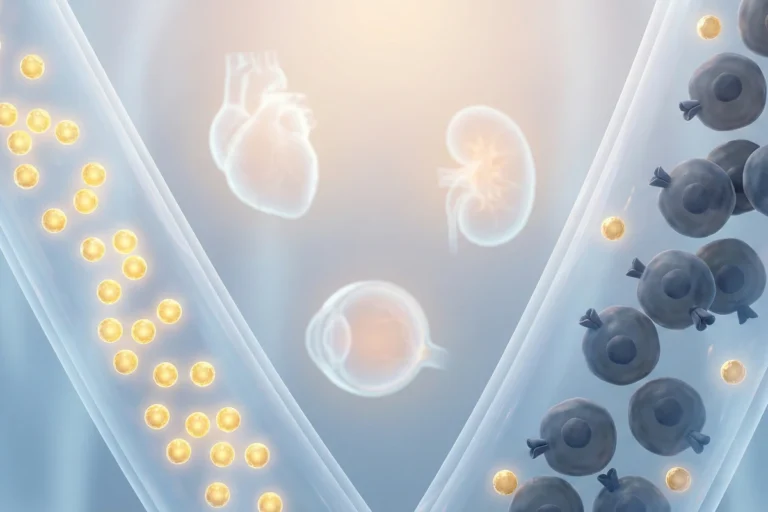
Most people view diabetes as high blood sugar requiring medication. This overlooks the real problem: insulin hormone dysfunction. In Type 2 diabetes, cells become resistant to insulin signals, leaving sugar in the bloodstream while cells starve. Diabetes disrupts organ systems and can cause blindness, kidney failure, and amputations.
Insulin resistance harms organs for years
Regenerative focus: sensitivity + healing
Complications: blindness, kidney failure, amputations

What Diabetes Really Is
Most people view diabetes as simply high blood sugar requiring medication. This overlooks the real problem: insulin hormone dysfunction.
In Type 2 diabetes, cells become resistant to insulin signals, leaving sugar trapped in the bloodstream while cells starve. Insulin resistance damages your body for years before diagnosis. Diabetes disrupts virtually every organ system, causing blindness, kidney failure, and amputations.
Why this matters
Cellular dysfunction precedes blood sugar readings. Addressing insulin sensitivity targets the root problem rather than only numbers.
Warning Signs and Progression
Early symptoms
• Increased thirst • Frequent urination • Unexplained fatigue • Blurred vision
Progressive signs
• Slow wound healing • Frequent infections • Tingling in extremities
Serious complications
• Diabetic neuropathy
• Retinopathy
• Kidney disease
• Increased heart attack risk
Limitations of Standard Treatment
Conventional management focuses on lowering blood sugar through medications, addressing symptoms rather than cellular dysfunction.
Medications work by blocking sugar absorption, forcing pancreatic insulin production, or adding synthetic insulin. However, adding insulin does not solve insulin resistance because cells do not respond properly.
Why this matters
This explains why complications continue despite good blood sugar control.
The Regenerative Medicine Difference
Regenerative medicine addresses diabetes by improving insulin sensitivity and managing complications rather than simply controlling blood sugar.
MSC mechanisms
Mesenchymal stem cells modulate inflammatory pathways, support pancreatic function, and improve insulin sensitivity.
Key research findings
2019 Stem Cells Translational Medicine: MSC therapy improved insulin sensitivity and reduced inflammatory markers IL‑6 and TNF‑alpha over 12 months in Type 2 diabetes.
Wound healing evidence
2021 Wound Repair and Regeneration: PRP therapy significantly accelerated healing in diabetic foot ulcers.
Holistic focus
MSC therapy reduces systemic inflammation. PRP concentrates healing factors for diabetic wound healing. We also address root causes including nutrition, stress management, and gut health.
Benefits and Expected Outcomes
- Patients may experience improvements beyond blood sugar control including increased energy, mental clarity, and vitality as cells improve glucose utilization.
- Potential benefits include enhanced wound healing, reduced inflammation, better sleep, and improved circulation.
- Improvements typically appear over 2 to 4 months as insulin sensitivity may gradually improve. Individual results vary by disease duration and severity. Some patients may reduce medication requirements under medical supervision.
Timeline varies with duration and severity of diabetes.
Safety and Treatment Process
Regenerative medicine using your own cells has a favorable safety profile. Minimizes rejection risks – treatment unfolds gradually as cellular regeneration occurs. Most patients continue prescribed medications initially under medical supervision.
1. Assessment and coordination
Review history, labs, and goals with clinicians and your care team. Align on cell sources and supportive therapies.
2. Preparation and procedure
Prepare autologous cells when used, or apply PRP as indicated. Perform image‑guided procedures as needed. Outpatient with local anesthesia.
3. Follow up and optimization
Track response over weeks to months. Medication changes only by your physician.
Ready to address the underlying dysfunction driving your diabetes?
Our consultation evaluates your health status and candidacy for regenerative therapy. Take the next step toward restoring your body’s natural metabolic function rather than simply managing symptoms.
Please bring (If available): Recent HbA1c and glucose labs, current medication list, medical records from your diabetes team.
Online Booking Available