


 (1).png)


Hypertension and Vascular Health
Not just numbers. A complex vascular disease affecting the entire circulatory system.
7‑fold higher heart attack risk
Damage progresses quietly for years
6‑fold higher heart failure risk
Often advanced by diagnosis time

What Hypertension Really Is
Many think blood pressure is just numbers medications can control. This simplifies a complex disease that affects the entire circulatory system.
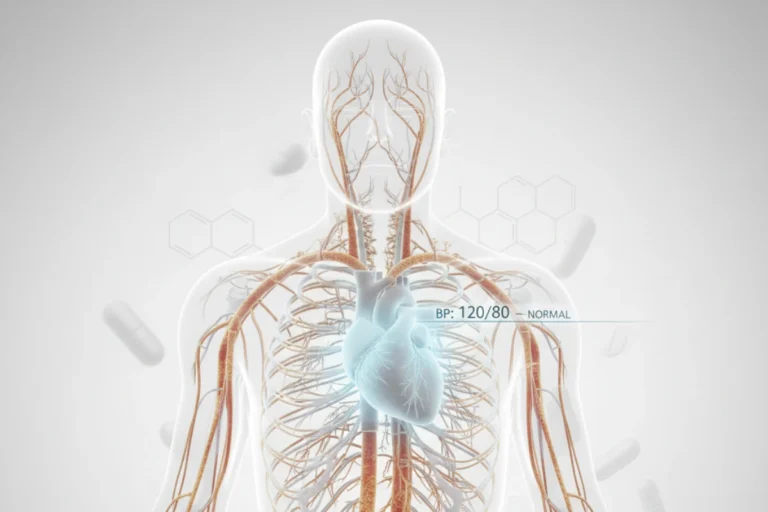
It occurs when the heart must pump harder through stiff, narrowed arteries. These damaged vessels create resistance and force the heart to overwork to deliver oxygen and nutrients.
Arterial damage often progresses quietly for years before symptoms. By diagnosis, organ injury may already exist. Hypertension leads to a 7‑fold increase in heart attack risk and a 6‑fold increase in heart failure risk.
Silent progression
Vessel changes move forward while readings can look controlled, which is why focusing on vessel health matters.
Warning Signs and Progression
At BRC, we are specialized in three main areas; here’s how we apply MSCs.
Early stage
Often no symptoms. Some may have headaches, dizziness, or fatigue. Many feel normal.
Silent damage
Arteries stiffen and narrow without clear signals, setting the stage for events.
Advanced complications
When supply cannot meet organ demand: heart attack, stroke, kidney failure, vision loss.
Limitations of Standard Treatment
Conventional hypertension management focuses entirely on lowering blood pressure numbers through medications. While this improves readings, it addresses symptoms rather than underlying arterial dysfunction.
Standard medications work by forcing temporary changes: diuretics remove water to reduce blood volume, ACE inhibitors chemically relax vessel walls, and beta-blockers slow heart rate. However, these approaches don’t restore arterial flexibility or repair damaged vessel walls.
Why this matters
This explains why cardiovascular complications can continue developing despite controlled blood pressure readings. The underlying arterial stiffness and cellular damage may progress, allowing heart disease and stroke risk to advance despite medication compliance.
The Regenerative Medicine Difference
Focus on arterial health and vascular function rather than numbers alone.
Natural healing mechanisms
Combine hematopoietic stem cells from blood with mesenchymal stem cells during procedures to support vascular tissue regeneration.
Signaling peptides
Use specific organ signaling peptides to enhance growth factor activity and reduce inflammation.
Vascular capacity first
Rather than working around damaged arteries with meds, support the system’s regenerative capacity.
Benefits and Expected Outcomes
Beyond numbers
Many patients report increased energy, better exercise tolerance, and a lift in overall well‑being as vascular health improves.
Circulation and organ function
Potential for improved circulation, better organ function, and enhanced mental clarity as vessel quality improves.
Timeline
Vascular improvements typically develop over 2–4 months as tissue regeneration occurs. Individual results vary by duration of hypertension, arterial damage, and overall health. Some may reduce medication requirements under medical supervision.
Initial improvements may appear within weeks. Deeper vascular optimization commonly emerges over 2–4 months.
Safety and Treatment Process
Regenerative medicine using your own cells and plasma is generally safe because we utilize your body’s natural healing components. The risk of adverse reactions is minimal since no foreign substances are introduced.
1. Assessment and coordination
Review history, labs, and goals with our clinicians and your cardiology team. Confirm eligibility and plan cell sources.
2. Preparation and procedure
Prepare your cells and plasma when used, then perform the regenerative procedure. Most sessions are outpatient and use local anesthesia.
3. Follow up and optimization
Track improvements over weeks. Deeper vascular changes typically emerge across 2 to 4 months. Any medication changes are made only by your physician.
Ready to explore regenerative options for your hypertension?
Our comprehensive evaluation assesses your cardiovascular health and candidacy for regenerative vascular therapy. Take the next step toward restoring your arterial health rather than simply managing blood pressure numbers.
Please bring: Recent blood pressure logs, current medication list, cardiovascular test results, medical history.
Online Booking Available