

 (1).png)


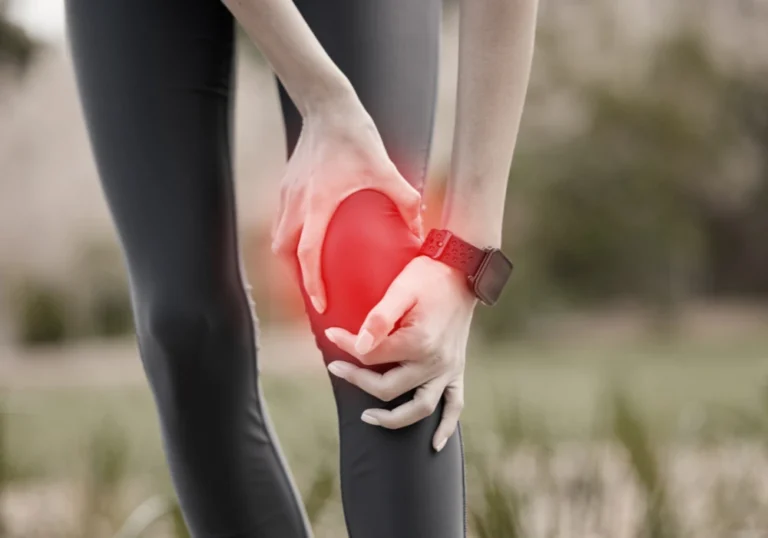
Understanding Knee Pain
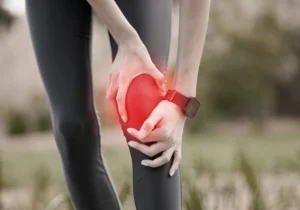
Knee pain is one of the most common complaints we treat, especially among athletes and active individuals. The knee’s complex structure makes it vulnerable to various injuries and degenerative conditions that can significantly impact mobility and quality of life.
Common Conditions
- Torn cartilage cushions that absorb shock.
- Damaged ligaments that provide stability.
- Inflamed tendons from overuse.
- Cartilage wear-and-tear causing bone-on-bone contact.
- Fluid-filled swellings behind the knee and tight bands of tissue along the outer thigh.
These conditions frequently result from sports activities involving pivoting and jumping, gradual wear from running or high-impact activities, sudden twists or direct blows to the knee, or natural aging as cartilage thins and supporting structures weaken.
Early minor stiffness or occasional pain can evolve into significant instability and chronic discomfort that limits daily activities.
Limitations of Standard Treatment
Meds, therapy, and cortisone ease pain - but only temporarily.
Therapy improves motion, it can’t heal rotator‑cuff tears or labral damage.
Long rehab (4–6 months) with risks of stiffness, re‑tear, and limited strength.
Traditional approaches rely on pain medications, corticosteroid injections, and physical therapy for symptom management.
While helpful initially, these methods don’t repair damaged cartilage, meniscus, or ligaments. Steroid injections may provide temporary relief but can accelerate cartilage breakdown over time with repeated use.
When conservative treatments fail, surgical options like arthroscopy or knee replacement are often recommended. However, surgery involves considerations including potential infection, possible blood clots, recovery periods of 3-6 months, and complications such as ongoing stiffness or incomplete healing.
Even successful procedures may not restore full function, and some patients experience persistent limitations.
BRC's Regenerative Solutions
We offer cutting-edge regenerative therapies that focus on healing knee structures from within:
Stem Cell Therapy
Regenerates cartilage, meniscus, and other damaged tissues through your body's most powerful healing cells.
PRP (Platelet-Rich Plasma) Knee Injections
Accelerates healing while reducing inflammation naturally using concentrated growth factors.
PRGF (Plasma Rich in Growth Factors)
Provides sustained growth factor release for ongoing tissue repair and regeneration.
Growth Factor Therapy
Enhances cellular repair and reduces inflammation through targeted biological healing signals.
Our treatments address multiple knee problems simultaneously – working to repair damaged cartilage, strengthen ligaments, and reduce inflammation. Using advanced 3T MRI and ultrasound guidance, we precisely target damaged areas.
Comprehensive, Multi‑Source Care
This comprehensive approach may help reduce the need for surgery while potentially providing improved long-term outcomes compared to conventional treatments.
Safety and Treatment Process
All treatments use your body’s own healing cells, ensuring safety and biocompatibility. Our knee specialists perform precise ultrasound-guided injections in a comfortable clinical setting.
The minimally invasive procedures allow for quick recovery and return to activities.
Expected Outcomes
Patients typically see progressive improvement over 1-3 months, with reduced pain, increased stability, and improved function. Many avoid planned surgeries and return to their desired athletic participation level.
Individual results vary depending on condition severity and patient commitment to treatment.
Why Choose BRC
Specialist regenerative care in Bangkok, combining experienced physicians, precise treatment, and clear support throughout your journey.
Board-Certified Specialists
Care led by American Board-certified Regenerative Orthopedic Specialists.
Precision-Guided Treatment
Ultrasound or fluoroscopic guidance helps target the source of pain.
Outpatient Care
Many patients return to light activity within 24-48 hours.
Clear Treatment Costs
Receive a full cost estimate before deciding to proceed.
Plan Your Treatment in Bangkok
We coordinate the essentials before and during your visit, so you can focus on treatment and recovery.
Before You Travel
Everything you need to prepare
Before You Travel
Everything you need to prepare- MRI and medical record review
- Recommended length of stay
- Scheduling around travel dates
- Travel confirmation letters
During Your Stay
Support while you are in Bangkok
During Your Stay
Support while you are in Bangkok- Airport and clinic transfers
- Nearby hotel recommendations
- Multilingual coordinators
- Dedicated patient support
FAQs
What knee conditions can be treated with regenerative therapy at BRC?
BRC treats a wide range of knee conditions including osteoarthritis, meniscus tears, ACL and ligament injuries, patellar tendinitis, and cartilage lesions. Depending on your diagnosis, our regenerative orthopedic specialists may recommend PRP knee injections, hyaluronic acid, specific organ signaling peptides (growth factors), or stem cell therapy using bone marrow or adipose-derived cells — or a combination of these approaches.
Can BRC's treatments help me avoid knee replacement surgery?
Many of our patients have successfully avoided or delayed knee replacement through regenerative treatment. PRP, growth factors, and stem cell therapy work to reduce joint inflammation, support cartilage repair, and restore function — potentially extending the life of your natural knee. Our specialists will assess your imaging and clinical findings to give you an honest prognosis based on your specific condition.
How soon can I return to physical activity after knee treatment?
Most patients can resume light walking within 24–48 hours. Return to sport or high-impact activities is typically guided over 4–8 weeks depending on the procedure performed. Our team provides a detailed activity timeline and rehabilitation recommendations as part of your post-treatment care plan.
What is the starting price for knee pain treatment at BRC?
Knee regenerative treatments start from $1,500 USD. Final pricing depends on your diagnosis and treatment plan, which is confirmed after your initial consultation.
What payment methods does BRC accept? Is insurance or installment payment available?
We accept cash (Thai Baht), credit card (Visa, Mastercard), and bank transfer. BRC operates on a self-pay basis and does not accept insurance coverage or offer installment payment plans at this time. Itemized receipts are available upon request.
How long should I plan to stay in Bangkok for back pain treatment?
Your stay depends on your diagnosis and treatment protocol. Most regenerative back procedures are performed on an outpatient basis, and many patients return to light activity within 24–48 hours. After reviewing your imaging and medical history, your specialist will recommend a timeline that includes consultation, treatment, and early follow-up.
Can my imaging be reviewed before I travel?
Yes. You can send your recent MRI or imaging reports through our contact form or by email before booking your trip, so our specialists can assess whether regenerative treatment may be suitable for your condition.
Want to avoid knee replacement if possible?
Our comprehensive knee evaluation uses advanced imaging to assess cartilage, meniscus, and ligament health while developing your personalized regenerative treatment strategy.
Please bring: Recent MRI or imaging studies, current medication and supplement list, activity goals, and detailed symptom history including what movements cause pain.
Online Booking Available