

 (1).png)


Regenerative Medicine for Stroke
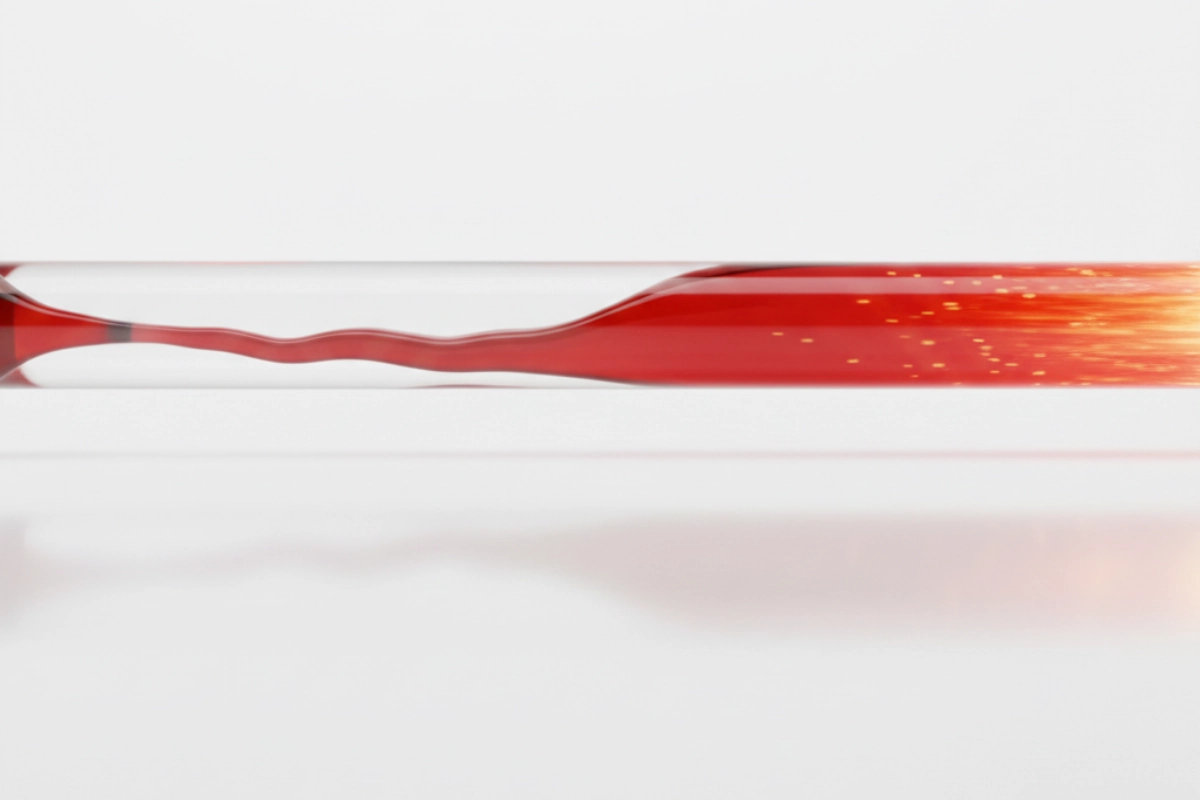
Stroke results from interrupted blood flow to brain tissue, but vessel damage builds for years. Hypertension and diabetes inflame and narrow arteries until a clot or rupture stops oxygen delivery.
Silent arterial damage over decades
Regenerative + vascular restoration
Hypertension + diabetes drive risk
What Stroke Really Is
Most people think stroke happens suddenly without warning. In reality, blood flow is interrupted when arteries narrowed by long‑term inflammation and plaque can no longer supply oxygen to brain cells.
Hypertension and diabetes progressively injure vessel walls. Plaque build up narrows arteries and sets the stage for clots or ruptures that kill brain cells within minutes.
Why this matters
Vascular disease develops silently for years. Prevention and vessel health work should begin early, not after an event.
Warning Signs and Progression
F.A.S.T. checklist
• Face drooping • Arm weakness • Speech difficulty • Time to call emergency
Additional symptoms
• Sudden confusion or vision problems • Severe headache • Loss of balance
Complications
• Paralysis • Speech impairment • Memory loss • Difficulty swallowing • Post‑stroke depression • Cognitive decline
Limitations of Standard Treatment
Emergency care can dissolve or remove clots and save lives but does not treat the chronic vascular inflammation behind many strokes.
Clot‑busting drugs must be given within 3 to 4.5 hours and carry bleeding risks. Mechanical removal restores flow but cannot repair damaged brain tissue or prevent future events.
Why this matters
Rehabilitation helps adaptation but does not regenerate neurons or resolve root drivers such as hypertension, diabetes, and vessel inflammation.
The Regenerative Medicine Difference
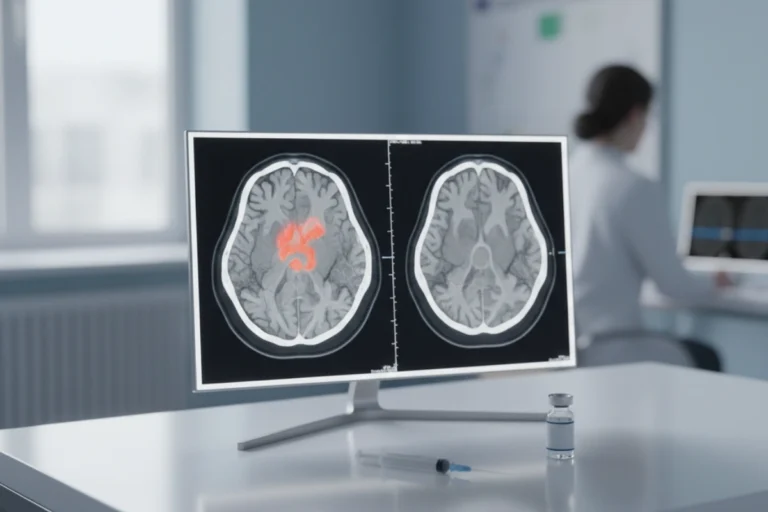
Support brain tissue repair while restoring vascular health. Combine stem cell therapy with programs for plasma support, metabolic balance, and blood pressure and glucose optimization.
Neuro‑regeneration support
Studies suggest MSCs can aid new vessel formation and neural pathway repair, enhancing the brain’s healing capacity.
Vascular restoration
Protocols focus on reducing vessel inflammation and improving endothelial function to lower future risk.
Coordinated care
Integrate with neurology and rehabilitation teams to align timing, safety, and long‑term prevention.
Evidence signals
Reports including small clinical cohorts noted improved long‑term survival and function without treatment‑related complications; individual results vary.
Benefits and Expected Outcomes
- Potential improvements in movement, speech, memory, and cognitive performance as neural pathways optimize.
- Many report better balance, coordination, and reduced fatigue as brain and vascular health improve together.
- Improvements often develop over 3 to 6 months. Outcomes depend on stroke severity, treatment timing, and overall health.
Arc varies with severity, timing, and adherence to rehab.
Safety and Treatment Process
Regenerative medicine using autologous cells carries minimal adverse reaction risk. We coordinate closely with your existing stroke recovery team and neurologists to ensure comprehensive care.
1. Integrated evaluation
Neurological status, imaging, vascular risk, and goals reviewed with your care team.
2. Regenerative + vascular program
Stem‑cell‑based support alongside plasma and metabolic protocols; optimize blood pressure and glucose.
3. Rehab‑aligned follow up
Track mobility, speech, and cognition over 3 to 6 months; refine plan with clinicians.
Ready to explore regenerative options for stroke recovery?
Our consultation evaluates your stroke history, current health status, and recovery potential. Take the next step toward enhancing your stroke recovery through regenerative medicine.
Please bring (If available):Recent brain imaging, stroke medical records, current medication list, rehabilitation reports.
Online Booking Available